
Tuscarawas County Criminal Docket Routes
Which court holds a Tuscarawas County criminal docket depends on the charge and the territory. Felonies move through the Court of Common Pleas General Division, with the County Clerk and County eServices as the public route. Misdemeanor cases go to New Philadelphia Municipal Court or the Tuscarawas County Court, Southern District, each in its own territory. Southern District also holds preliminary hearings on felony cases. Juvenile delinquency, unruly, and juvenile traffic cases stay with the Juvenile Division. The four routes do not overlap cleanly. An eServices result through the County Clerk is not a full index of municipal or Southern District criminal dockets. Likewise, an early entry in one of those courts does not automatically connect to a Common Pleas felony case. So start with the court named on your citation, notice, or case papers. Search that court's system, and call its clerk when the result comes up short.
| Criminal matter | Local court path | Record route |
|---|---|---|
| Felony criminal case | Common Pleas General Division | County eServices, then the Tuscarawas County Clerk of Courts for the docket or file. |
| Misdemeanor in municipal territory | New Philadelphia Municipal Court | Record Search, then the municipal clerk or Violations Bureau. |
| Misdemeanor or felony preliminary matter in southern territory | Tuscarawas County Court, Southern District | Southern District Docket Search, calendar, or court counter. |
| Juvenile criminal-type matter | Common Pleas Juvenile Division | Contact the Juvenile Division because public availability is not assumed. |
Searching Tuscarawas County Criminal Dockets
Common Pleas criminal work starts with the County Clerk. It links Docket Search to eServices. Its public Case Search accepts a case number, case type, name, attorney, or ticket and citation number. Clerk examples show the criminal type code CR. They also show the spaced format 2012 CR 01 0123. Treat that pattern as a clue only. Older cases may not follow one historic format. New Philadelphia's Record Search includes a Criminal case-type option. It asks for one search term at a time. The case-number field takes numbers only. Southern District goes further, allowing name, case number, ticket number, hearing date, and file date. Its own tips call for names typed last, first, comma and space included. Numbers only go in the case and ticket fields, with no dashes or letters.
- Read the criminal papers or notice for the Tuscarawas County court name and any case, citation, or ticket number.
- Use County eServices for a Common Pleas felony matter, New Philadelphia Record Search for its territory, or Southern District Docket Search for its territory.
- Enter the known number in the local format when available. If no number is known, use the portal's supported name and case-type search.
- Open the matching Tuscarawas County criminal docket and read entries in chronological order, giving special attention to later notices and orders.
- Check the court's calendar and call the controlling office when the date of an arraignment, pretrial, or other setting is important.
- Request a record or certified copy from the clerk that holds the case if a public web display does not answer the question.
Note: Southern District says its online docket search covers records back to 1994. Older criminal records may need a direct call to the court.
Tuscarawas County eServices Criminal Search
County eServices is the named Tuscarawas County route for Common Pleas criminal docket work. The public landing page lists Case Search, eFile, Quick Pay, Advanced Payments, and View Calendar. Case Search is the lookup that matters here. The County Clerk allows e-filing only from registered attorneys. So eFile is not a public criminal docket search or a promise of document access. Treat any online result as a starting point. The Clerk accepts filings and keeps the Common Pleas docket and files. When the result leaves a docket, paper, or date question open, the Clerk's public-record policy helps. It offers counter, email, mail, phone, and inspection routes. The Clerk lists clerkfiling@co.tuscarawas.oh.us and P.O. Box 628, New Philadelphia, OH 44663. It lists fax separately as a filing channel rather than a stated copy-request method. Check a current setting with the General Division court office. That office also posts a weekly Motion Docket. The official Tuscarawas County eServices page provides the public Case Search along with its related service links.
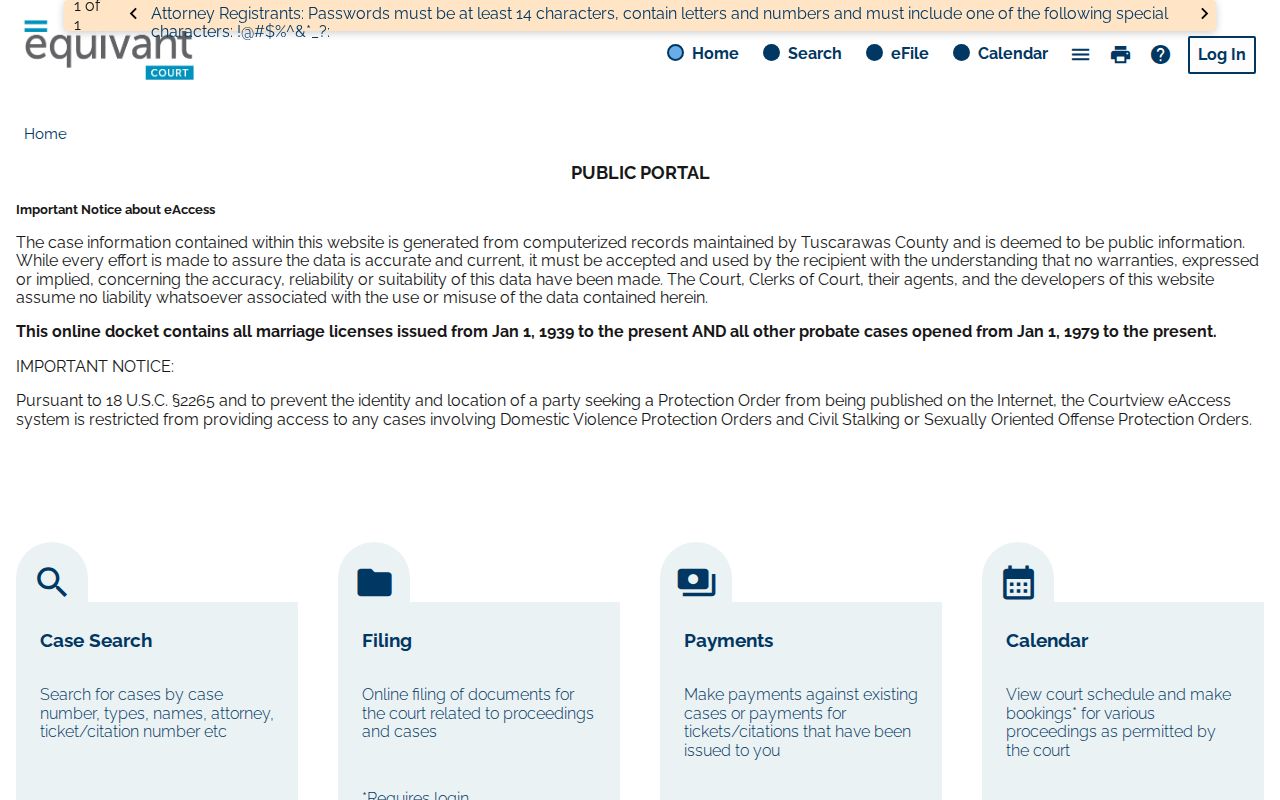
The portal keeps search, filing, calendar, and payment functions separate. Read a Tuscarawas County criminal docket from the case-search result, never from a payment screen.
Inside a Tuscarawas County Criminal Docket
New Philadelphia's Record Search offers the clearest local view of how a criminal or traffic docket appears on screen. Its Case Information and Docket Entries screens can show an initial filing, charge or violation fields, and a hearing date with courtroom. Those screens may also show arraignment, plea, bond, a motion or order, a later review setting, financial obligations, and a disposition. That layout is specific to the municipal portal. A Common Pleas or Southern District docket may arrange the same court activity in a different order. Never turn one entry into a legal conclusion. A case-filed entry is not a finding of guilt. A charge field is not a plea, and a plea is not the final disposition. New Philadelphia marks a judgment entry as J/E. It marks a magistrate order as M/O. A screen display also differs from a certified record from the clerk.
| Case number and type | Local identifier and category. Common Pleas examples use a year, CR type code, segment, and sequence. |
|---|---|
| Charge fields | Municipal case information can show statute or charge-related section and violation fields. |
| Hearing setting | A dated entry can show time, event label or hearing type, and courtroom, including an arraignment or pretrial. |
| Docket entries | Chronological notices, hearings, pleas, motions, orders, service, payment, collection, and appeal-related entries. |
| Bond and financial lines | Where recorded, bond figures, fines, costs, payments, amount owed, and balance information. |
| Disposition | A result may list a disposition date, plea, finding, fine or cost amounts, suspended amounts, and jail-related fields. |
Tuscarawas County Criminal Docket Terms
Criminal docket labels mark a stage or a court action. They do not predict outcomes. Read local terms alongside the date. Weigh the latest entry and the court that wrote the notation. Above all, separate a pending hearing from a later judgment entry or disposition.
- Arraignment
- A criminal appearance at which a plea is addressed. It is a local hearing label, not a final result.
- Pretrial
- A case-management setting before trial. A later notice or continuance can change its date.
- Bench trial
- A trial decided by a judge rather than a jury. This label appears in Southern District traffic material and municipal docket context.
- Change of plea
- A setting or entry that records a change in plea position. It should be read with the later disposition.
- Disposition
- The recorded current or final result, often with a date and possible financial or sentence information.
- Notice of appeal
- An entry that begins appellate review. It does not supply the appellate case number by itself.
Note: A payment or collection line can show up in a criminal docket. It is not the full judgment without the disposition and clerk record.
How a Criminal Case Moves
A Tuscarawas County criminal docket tells the story of a case over time. It is not just one hearing. Think of it as a running log. The Common Pleas materials point to the CR case-type clue. Meanwhile, the municipal docket entries show typical hearing and outcome language. Labels, dates, and steps vary from court to court and case to case. For what was actually entered, the current court docket is the source that counts. The court office can confirm any setting still on the calendar.
Criminal docket flow: Filing → Arraignment → Pretrial → Plea or Trial → Disposition → Sentencing
Every case starts the same way. The court receives the filing and gives it a case number. An arraignment entry may show a plea and, sometimes, bond details. From there, pretrials, motions, subpoenas, orders, and hearings pile up as dated entries. A bench trial or change-of-plea entry looks like an ending, but it often is not. Sentencing and disposition entries, when they appear, carry the later result. They only make sense in their dated context.
Tuscarawas County Criminal Docket Resets
Criminal dockets often list an old hearing date next to a newer entry. That newer entry changed it. Trusting the first date alone is a mistake. A later notice, continuance, order, or disposition usually controls what actually happens. The General Division states plainly that its Motion Docket can change. New Philadelphia publishes dated hearing entries. Its computer records update on the system's own cycle.
So when the newest entry looks like a reset, read the whole docket in order. Pull the original "hearing set" event apart from the later action. Then check the live calendar or case search for the court involved. Call the court office last to confirm the current setting. New Philadelphia's Clerk will share case information and tell you where to appear. One limit stands. Its published clerk information says staff cannot reschedule anything for the judge's offices.
Courts That Hold Criminal Dockets
Felony work in Tuscarawas County runs through the Common Pleas General Division and the County Clerk. New Philadelphia Municipal Court and Southern District handle misdemeanor-level criminal dockets inside their own territories. Southern District also takes preliminary felony hearings as part of its jurisdiction. That split matters. An early felony preliminary matter and the later Common Pleas case may need two separate searches.
Each court covers its own ground. New Philadelphia Municipal Court serves New Philadelphia, Dover, and its listed territory. Southern District covers Uhrichsville, Dennison, Tuscarawas, Newcomerstown, plus its stated townships and villages. Juvenile matters sit in a separate Common Pleas division with confidentiality rules attached. The state trial-court directory backs up this local structure, and no statewide public lookup replaces the three local portal routes.
When a record stays murky, fall back on the court itself. For the General Division, start with eServices, then call the County Clerk at 330-365-3243 or use its public-record request and counter. For New Philadelphia, start with the New Philadelphia Record Search, then try the Violations Bureau or 330-343-6797. For the south end of the county, the Southern District Docket Search comes first, then 740-922-4795 or the counter. Juvenile questions go to the Juvenile Division.
One more limit on public results: the official Ohio sealing and expungement law for conviction or bail-forfeiture records can keep a criminal outcome out of view.
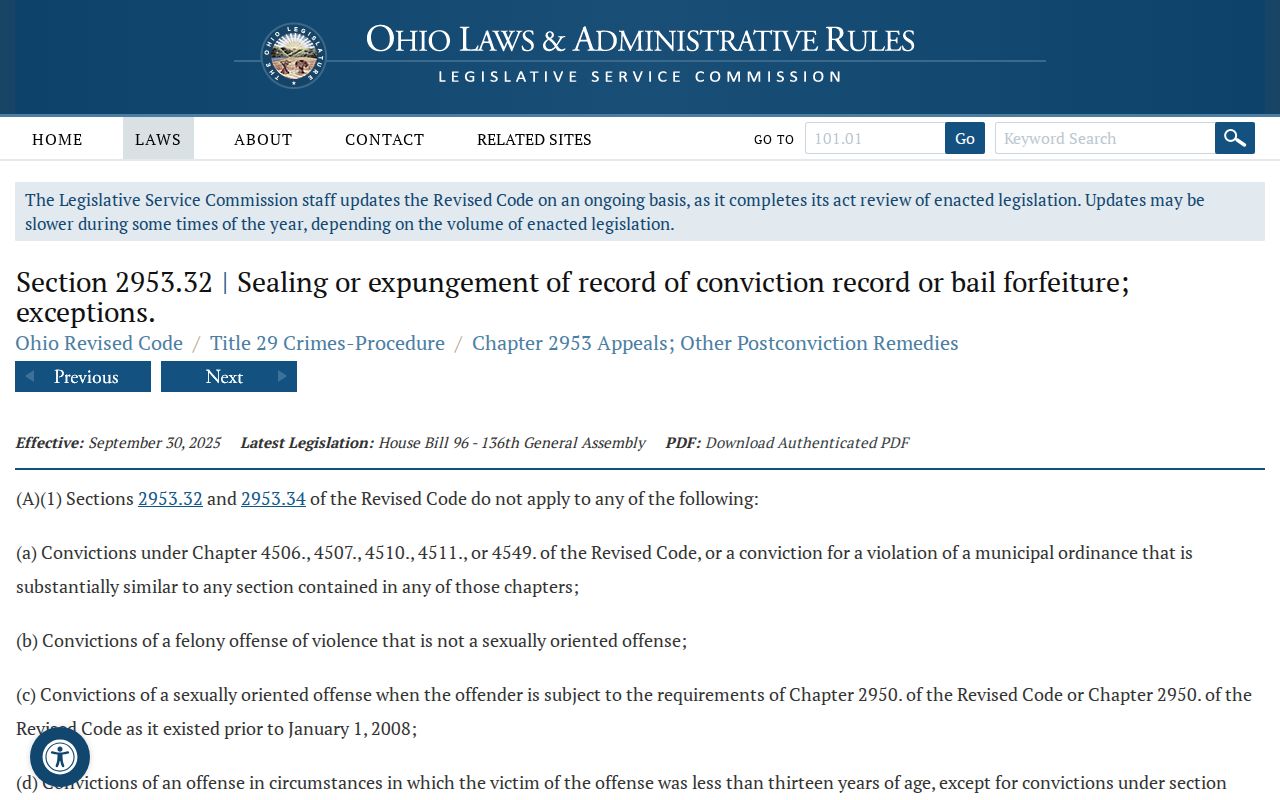
Eligibility for sealing and public access get decided by statute and by the court. A single missing search result settles nothing.
Tuscarawas County Criminal Appeal Handoff
An appeal does not stay on the trial court's docket alone. A New Philadelphia or Common Pleas docket may show a notice of appeal or a record-submitted entry. That means the case has taken an appellate step. The Fifth District Court of Appeals of Ohio handles appeals from Tuscarawas County. Its docket is separate. Search it separately once an appeal is actually opened.
This distinction also heads off a common error. A trial entry saying the record was transmitted does not give you the Fifth District case number. It also leaves out later appellate action. The local docket still holds the history of the original case. The appellate docket tracks the appeal itself. For a certified trial-court record, contact the clerk who keeps the original file.
The official Ohio law on sealing or expungement after an acquittal, dismissal, no bill, or pardon sets out one more access limit. That limit can affect docket research.
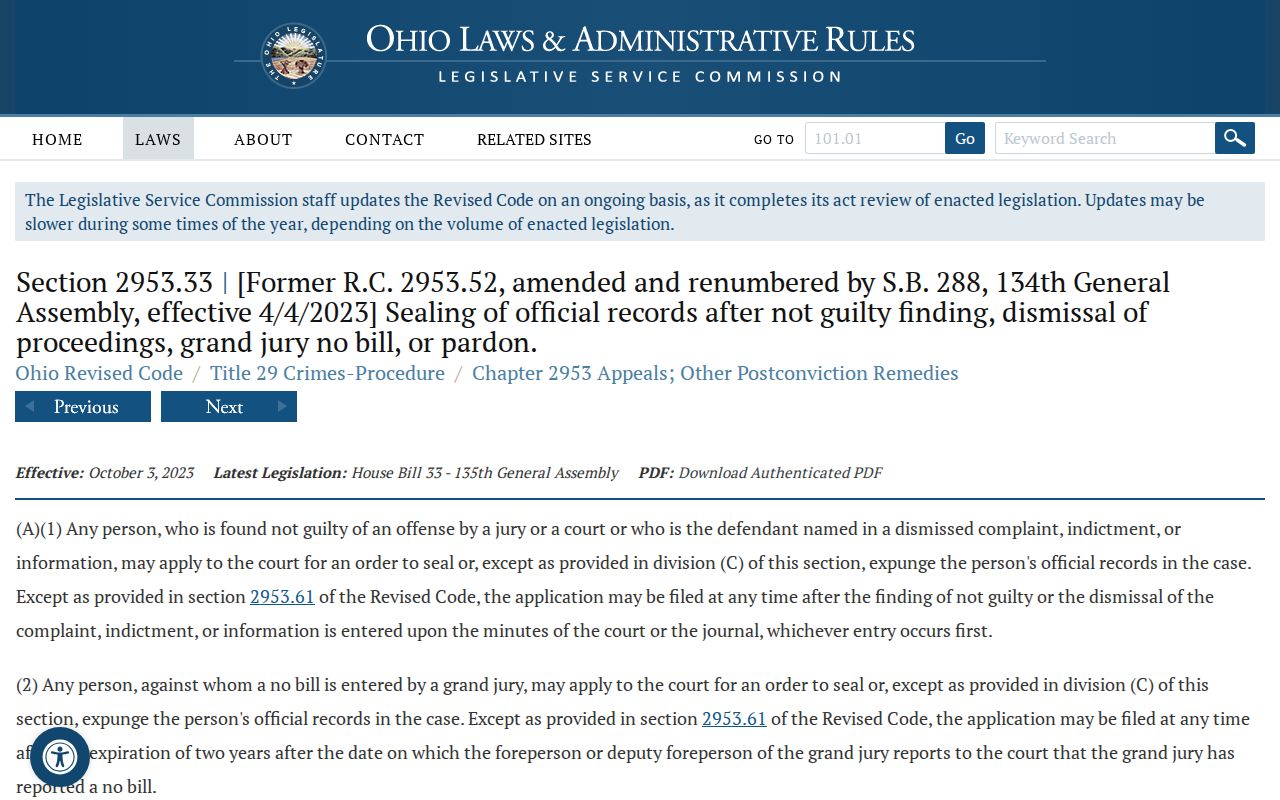
A missing result can point to the court path, a search format, the record's age, or a restriction. It never proves a criminal case did not exist.
Sealed Dockets and Public Access
Ohio sets the ground rules in Sup.R. 44-47. The rule covers what counts as a court record, who gets access, how to ask for restrictions, and when personal identifiers come out of filings. The state's Public Records Act adds a duty for public offices to let people inspect or copy records, subject to exemptions. Tuscarawas County's own clerk policy follows suit. Records are open for inspection and copying. Any denial needs legal authority behind it. Nonexempt parts get released when possible. Still, none of that promises every criminal record appears online.
Juvenile dockets sit apart. Send those questions to the Juvenile Division instead of assuming a name search will surface them. Ohio law also lays out separate paths for sealing or expungement after eligible convictions, bail forfeitures, acquittals, dismissals, no bills, and pardons. If a Tuscarawas County criminal docket looks restricted, gather the handling court, the case number if you have it, and the record you want. The court or clerk can then say what is open to inspection. It can also say whether an order is needed.
Ohio criminal-record access rules:
Sup.R. 44-47 governs court-record access, restrictions, and responsibility for omitting personal identifiers from filings.
Ohio Revised Code 149.43 sets the public-record inspection and copying rule, subject to stated exemptions.
Ohio Revised Code 2953.32 addresses eligible sealing or expungement of certain conviction and bail-forfeiture records.
Ohio Revised Code 2953.33 addresses eligible records after acquittal, dismissal, no bill, or pardon.
Ohio Revised Code Chapter 2151 contains juvenile confidentiality, sealing, and expungement provisions.
The Ohio juvenile-records law spells out the confidentiality framework that keeps juvenile matters on a separate track from adult court records.
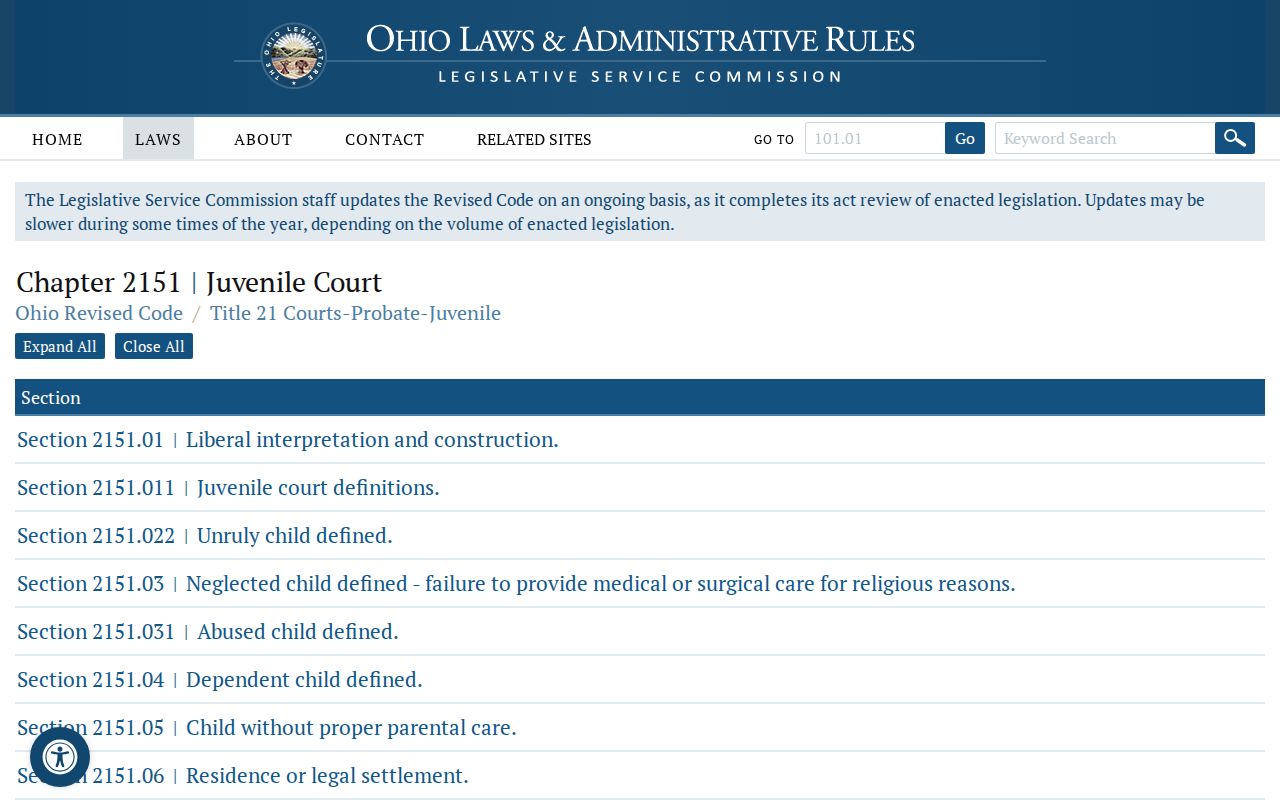
Sealed dockets: Ask the Juvenile Division or whichever court is handling the case whether a docket is open to the public. Access is never automatic just because another criminal docket type makes records available.